The Addiction of Social Media: Understanding, Impact, and Solutions
Introduction
In the digital age, social media platforms like Facebook, Instagram, TikTok, and Twitter have become integral parts of our daily lives. They connect us to friends, family, and the world at large, offering instant communication, entertainment, and information. However, this ubiquity has led to a new concern: social media addiction. Unlike casual browsing, social media addiction involves compulsive use that interferes with daily functioning, mental health, and personal relationships.
This phenomenon is increasingly prevalent, especially among teenagers and young adults, but it also affects older demographics. The addictive nature of social media can lead to decreased productivity, heightened anxiety, and a distorted self-image. As society grapples with this issue, understanding the underlying causes, potential impacts, and effective solutions becomes essential.
This blog aims to explore the multifaceted nature of social media addiction, shedding light on what drives this behavior, its consequences, and ways to foster healthier digital habits. By gaining insight into this pervasive issue, readers can better assess their own social media use and take steps toward digital wellness.
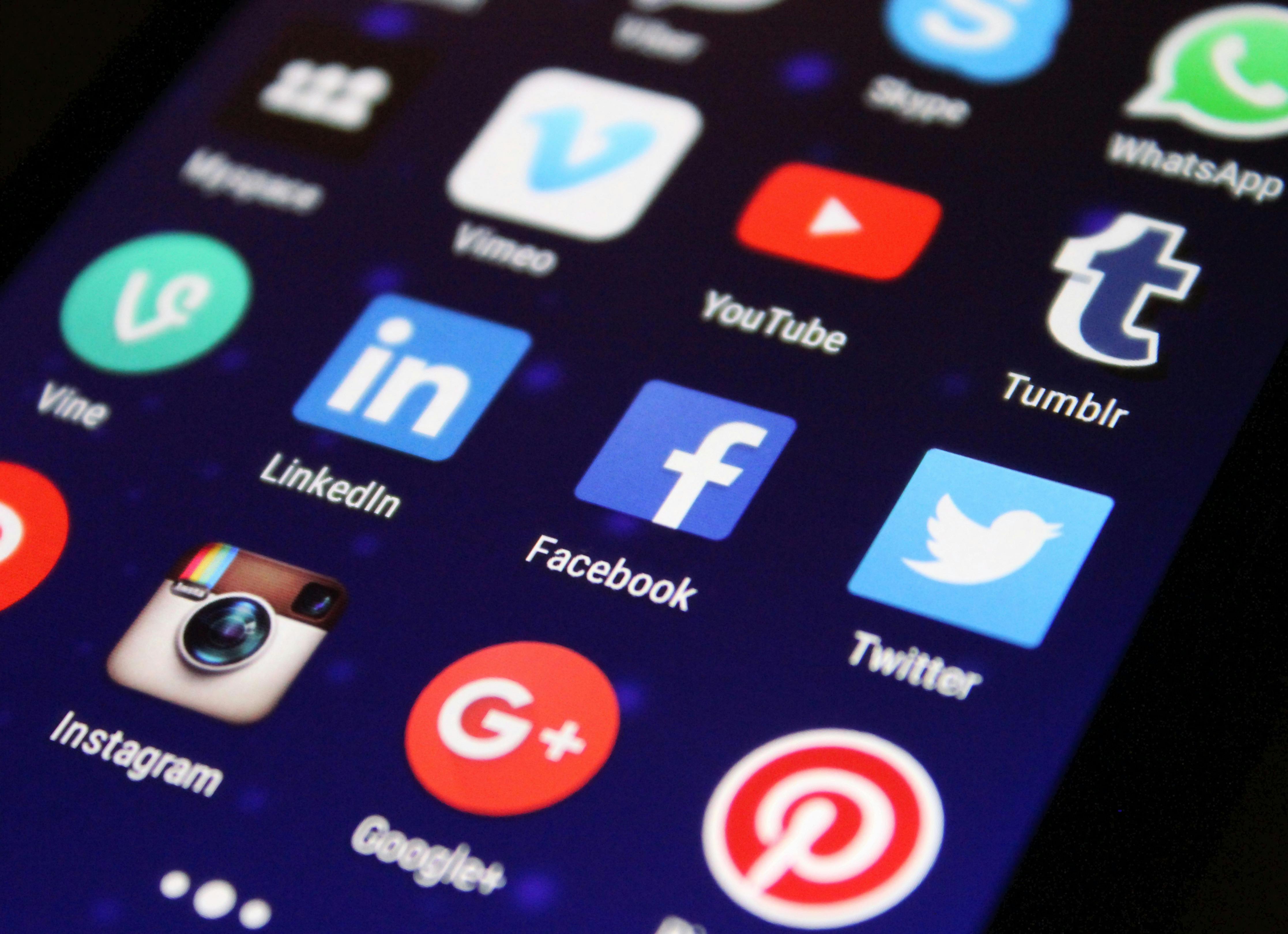
Understanding Social Media Addiction
What Is Social Media Addiction?
Social media addiction refers to excessive and compulsive use of social media platforms that leads to negative consequences in an individual's life. Unlike casual or recreational browsing, addiction entails an inability to control usage, persistent checking behaviors, and prioritizing social media over essential activities like work, sleep, or face-to-face interactions.
How It Differs from Occasional Use
While many use social media for entertainment or staying connected, addiction manifests through:
- Preoccupation: Constantly thinking about social media.
- Loss of Control: Inability to limit usage despite intentions.
- Withdrawal Symptoms: Feelings of anxiety or irritability when unable to access social media.
- Neglect of Responsibilities: Ignoring work, studies, or personal relationships.
Psychological Theories and Statistics
Research indicates that social media activates reward centers in the brain, releasing dopamine—the same neurotransmitter involved in addictive behaviors like gambling or substance abuse. The intermittent and unpredictable nature of notifications and likes creates a cycle similar to gambling, reinforcing compulsive checking.
Statistics:
- A 2022 Pew Research Center study found that around 70% of teens check social media multiple times daily.
- Studies suggest that 15-20% of users exhibit signs of problematic social media use, aligning with behavioral addiction criteria.

Causes of Social Media Addiction
Psychological Factors
- Low Self-Esteem & Validation Needs: Many seek affirmation through likes and comments, which temporarily boost self-worth.
- Loneliness & Social Anxiety: Social media can act as a refuge for those uncomfortable with face-to-face interactions.
- Fear of Missing Out (FOMO): Anxiety about missing events or updates drives incessant checking.
Social Factors
- Peer Pressure & Societal Expectations: The desire to belong or be accepted encourages constant engagement.
- Influence of Social Norms: Growing up in a culture where online presence equals social capital.
Technological Factors
- Design of Apps: Features like infinite scroll, autoplay videos, and notifications are engineered to maximize engagement.
- Push Notifications: These prompt users to check their devices repeatedly, reinforcing addictive patterns.
Anecdotes and Case Studies
Example: Sarah, a university student, found herself compulsively scrolling through TikTok videos late into the night, ignoring her assignments and sleep schedule. Her case illustrates how app design and psychological needs can combine to foster addiction.
Impact of Social Media Addiction
Mental Health Consequences
- Anxiety & Depression: Excessive social media use correlates with increased feelings of inadequacy, envy, and depression.
- Sleep Disruption: Late-night scrolling interferes with sleep quality, impacting mood and cognitive function.
- Self-Esteem Issues: Constant comparison to curated images leads to dissatisfaction.
Effects on Personal Relationships & Social Skills
- Reduced face-to-face interactions diminish empathy and communication skills.
- Conflicts may arise from misunderstandings or neglect of real-world relationships.
Productivity & Academic Performance
- Frequent social media use distracts students and professionals, leading to decreased focus and lower achievements.
- Time wasted online could be better spent on hobbies, learning, or rest.
Visual Suggestions
- An infographic showing rising rates of social media addiction.
- Charts correlating social media use with mental health issues.
- Photos contrasting people engaging with devices vs. enjoying offline activities.
Coping Mechanisms and Solutions
Practical Tips for Individuals
- Set Usage Limits: Use app timers or device settings to restrict daily social media time.
- Designate Offline Times: Allocate specific hours for digital detox—mealtimes, family time, or before bed.
- Engage in Offline Activities: Pursue hobbies, exercise, or spend time outdoors.
- Seek Support: Talk to friends, family, or mental health professionals if addiction symptoms persist.
Role of Social Media Companies
- Incorporate features like screen time tracking and reminders.
- Develop tools to disable notifications or limit daily usage.
- Promote digital wellness campaigns to raise awareness.
Additional Resources
- Mobile apps for managing screen time.
- Support groups for digital detox.
Conclusion
Social media has revolutionized communication and access to information, but its addictive potential poses significant challenges. Understanding the psychological, social, and technological factors that contribute to social media addiction is crucial in addressing this modern issue. Its impacts on mental health, relationships, and productivity highlight the importance of mindful engagement.
By implementing practical strategies, seeking professional help when needed, and encouraging social media platforms to prioritize user well-being, individuals can regain control over their digital lives. Reflecting on personal habits and making conscious choices fosters a healthier balance between online and offline worlds. Ultimately, awareness and proactive measures are key to overcoming social media addiction and promoting digital wellness.
Keywords for SEO: social media addiction, impact of social media, digital wellness, overcoming social media addiction
Meta Description: Explore the causes, effects, and solutions to social media addiction. Learn how to develop healthier digital habits and improve your mental well-being in the age of constant connectivity.